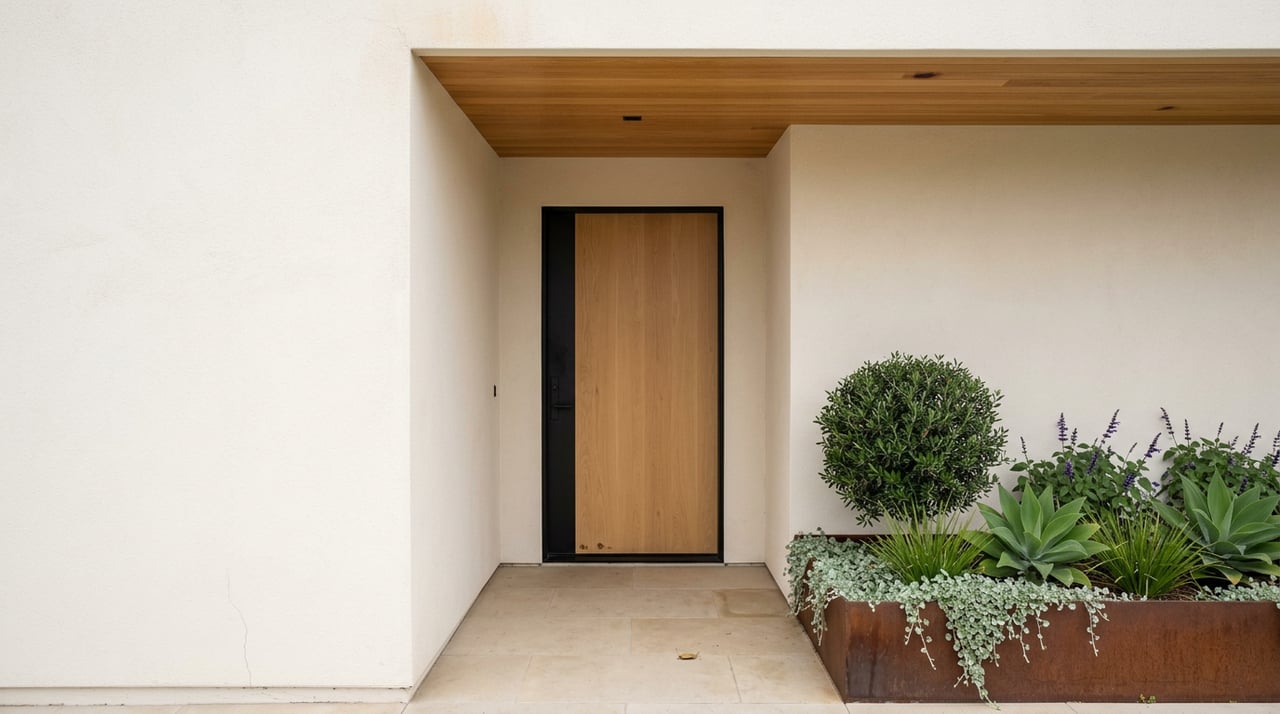
Oceanside Housing Market by ZIP Code: 3 Markets to Watch
August 6, 2026
August 6, 2026
Open any portal and Oceanside looks like one number. In July 2026 that number sits somewhere between $799,000 and $915,000 depending on which site you trust. Move-up buyers coming from Carlsbad or Encinitas see it and assume Oceanside is the affordable coastal alternative. Investors see it and assume the whole city is trading in the same direction.
Neither picture is quite right. The citywide median is an average of at least three markets that are moving in different directions, at different speeds, for different reasons. If you are shopping here in the back half of 2026, the useful question is not what Oceanside costs. It is which Oceanside you are buying into.
Start with the spread. Citywide, Redfin reported a median sale price of $879,000 over the three months ending May 2026, with homes selling in a median of 26 days, while Movoto pegged May 2026 at $849,000 with 60 days on market. Zillow's home value index came in lower still at $816,242, down 1.1% year over year.
Now zoom in. Zillow's own ZIP-level index tells a different story on the same day:
| Area | Typical value / median | Time frame |
|---|---|---|
| 92054 (coastal, downtown, west of I-5) | $1,051,519, up 0.2% year over year | 2026 ZHVI |
| 92057 (north Oceanside, Arrowood) | $752,628 | 2026 ZHVI |
| Fire Mountain | $1.57M median list, May 2026 | May 2026 |
| South Oceanside | $1.51M average, down 2.7% year over year | March 2026 |
| Downtown Oceanside | $1.225M median sale | Early 2026 |
| Loma Alta | $852,500 median sale, February 2026 | Feb 2026 |
| Oceana | $478,698 | 2026 ZHVI |
| East Side Capistrano | $695,685 | 2026 ZHVI |
The gap between Oceana and Fire Mountain is more than a million dollars inside the same city limits. A citywide median that sits under $900,000 is doing a lot of hiding.
Here is the piece the aggregate number buries. In the first half of 2026, coastal 92054 continued to command premium pricing while inland detached homes gave back real ground. A local March 2026 recap put West of I-5 in 92054 as the premier coastal corridor, with median detached prices around $1,640,000 and oceanfront properties reaching up to $7.3 million. Meanwhile, detached median prices in 92058 fell 14.1% year over year and 92057 fell 9.3%.
That is the mechanism most buyers miss. Coastal Oceanside is not correcting with the rest of the county. Inland Oceanside is. The reason is not mysterious. Supply west of I-5 is functionally capped, so anything that comes on market gets absorbed. As of July 2026 the pending-to-active ratio citywide was about 2.08, with 25 pending against 12 active listings, meaning a well-priced home does not sit. But that tightness is concentrated where geography is scarce. Inland, where master-planned inventory is elastic and buyers have more substitutes, days on market climb and sellers cut.
The practical read: if you are moving from Carlsbad to Oceanside for a coastal address, do not expect a discount. If you are moving from inland San Diego for space, you are shopping in the softest segment of the city.
The other piece the median swallows is what condos and townhomes are doing. The same March 2026 recap flagged that the attached market is booming, with 92056 attached prices up roughly 30% year over year as buyers turn to townhomes for a more affordable way into Oceanside. That is not a rounding error. It is the fastest-appreciating segment in the city, and it is happening in the ZIP where inventory is tightest.
For a first-time buyer priced out of Fire Mountain or South Oceanside, this is where the real decision lives. A townhome in 92056 is not a consolation prize. It is a segment where demand is outrunning supply faster than any single-family slice of the city.
Now add the supply signal most buyers have not caught yet. In January 2026, the Oceanside City Council approved a project to build more than 370 apartments steps from the beach, bringing one seven-story and one eight-story building to North Meyers Street. The project sits on a three-and-a-half-acre parcel that has been part of the downtown master plan since 2000. Council approved the project 3-2, with a combined 560 parking spaces and commercial space, and roughly three-quarters of the units planned as studios and one-bedrooms. Of the 373 total units, 38 are reserved for low-income residents.
The units are rentals, not for-sale condos, so the direct comparison is imperfect. But the downstream effect matters for anyone considering a downtown condo purchase in the next two to three years. A large slug of new studio and one-bedroom rental supply, walking distance to the pier and the Oceanside Transit Center, absorbs the exact renter demographic that currently supports downtown condo rental returns. Buyers who are pencilling out a downtown unit as an eventual rental should model that.
Downtown condos are also the least-priced entry point west of I-5. Downtown Oceanside's median sale of $1.225M has been softened at the low end by attached-home sales below that level. That entry lane will not disappear, but the competitive pressure on rents through 2028 is worth pricing in.
The friction this creates at the offer table is real. A few things worth naming before you write a number down.
Is Oceanside a buyer's market or a seller's market right now? Both, depending on ZIP. Citywide it reads as a seller's market on the supply-demand ratio. Inland detached, where prices are down year over year and days on market are longer, gives buyers more room to negotiate. Coastal detached still trades tight.
Where is the best entry point under $700K? The attached market. 92058 has an attached entry point around $569,500, and Oceana's ZHVI sits under $500,000. Both come with tradeoffs on location and building age that are worth touring before you assume the numbers translate.
Does the downtown apartment project affect single-family values west of I-5? Not directly. It affects the downtown condo rental pool and, over time, the walkability and street-level retail around Pier View Way. The Ryan Companies proposal included plans to remove an existing parking lot and add outdoor restaurant space, which changes the character of the block more than it changes single-family comps a few streets over.
How should a move-up buyer coming from inland North County think about this? Budget for the ZIP, not the city. A Vista or San Marcos seller looking at the Oceanside citywide median as a benchmark will underestimate what a coastal address costs and overestimate what an inland one holds. Run the numbers by ZIP before you tour.
If you are trying to translate this split market into a specific offer, or figure out which side of I-5 fits your budget and your timeline, Gina Riddle and the Riddle Home Team are happy to walk through the ZIP-level comps with you and pressure-test the plan before you write anything down.
Stay up to date on the latest real estate trends.

Over 20 years of experience in the San Diego real estate community, including new and resale home transactions, escrow management, mortgages, and property management.
Gina Riddle | CA DRE# 01277814
Elizabeth Galloway | CA DRE# 02345375
[email protected]
(707) 479-2032
Address
5796 Armada Dr #250
Carlsbad, CA 92008