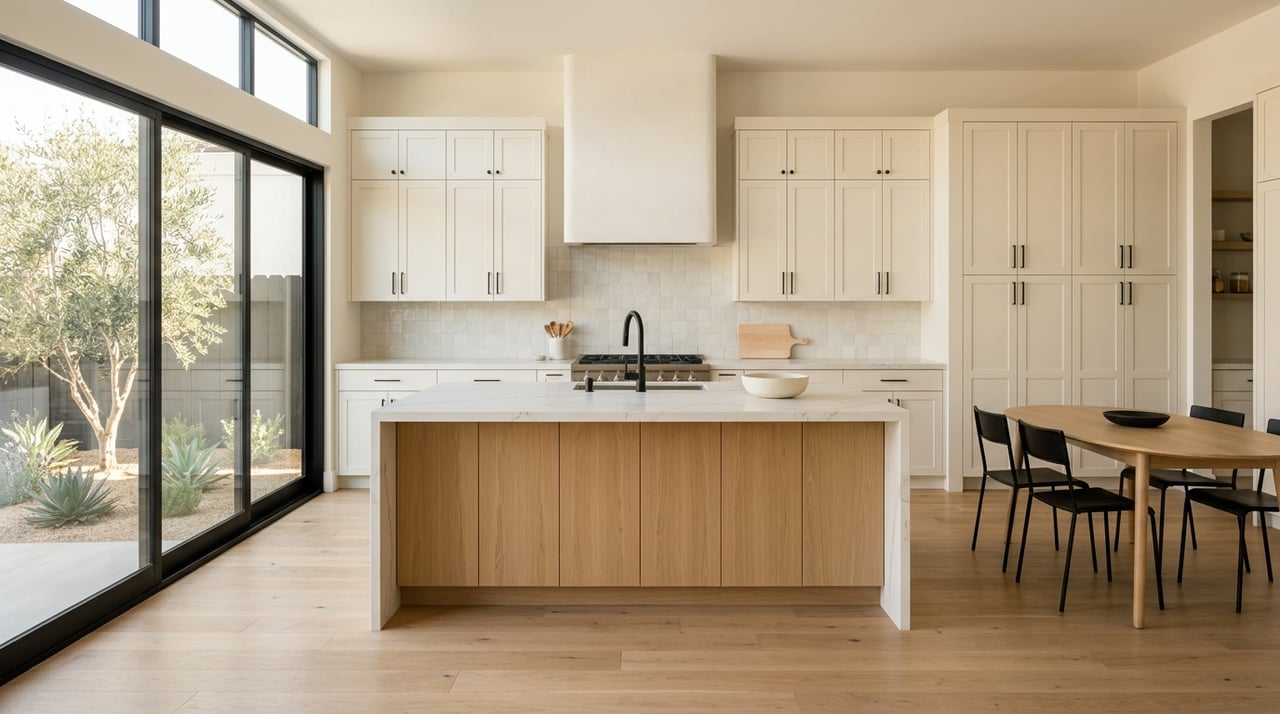
Selling and Buying a Vista Home Without the Stress
June 4, 2026
June 4, 2026
If you need to sell your Vista home and buy another one at the same time, you are not alone, and you are not overthinking it. In a market where homes can move quickly and mortgage costs still matter, the biggest challenge is often not the sale or the purchase by itself. It is making both sides line up with as little stress as possible. This guide walks you through how to plan the timing, financing, pricing, and backup options so your next move feels more manageable. Let’s dive in.
Vista remains an active market, but it is not the same in every pocket of the city. Over the three months ending April 2026, homes in Vista sold in about 27 days on average, received about 2 offers, and closed at a median sale price of $871,800. Redfin also reported a 99.5% sale-to-list ratio, with 38.5% of homes selling above list price and 32.7% having price drops.
That mix matters if you are trying to sell and buy at once. Some homes still move quickly, but pricing has to be realistic from the start. A strong plan usually comes from treating your sale and purchase as one connected move, not two separate transactions.
Citywide averages only tell part of the story. In NSDCAR’s April 2026 ZIP-level data, Vista 92083 showed a median sales price of $550,000 and 22 days on market, while 92081 was $940,000 and 35 days on market, and 92084 was $975,000 and 29 days on market.
If you are building a move plan, this is why local pricing and timing matter so much. Your current home’s ZIP code, condition, and price point can affect how much flexibility you have when making an offer on the next home.
Before you list, decide which path fits your finances, risk tolerance, and timing needs. In Vista, where homes often move on relatively short timelines, this decision should happen early. Waiting too long can leave you reacting instead of planning.
Here are the most common ways to structure a sell-and-buy move:
A calm move usually comes from choosing your main strategy and your backup plan at the same time.
A contingent offer can work, but it needs to be strong. A home-sale contingency gives you time to sell your current home before closing on the next one. A home-close contingency gives you time to close on your current sale first.
In Vista, where many homes receive multiple offers and some buyers waive contingencies, a contingent offer is usually more competitive when your financing is already organized and your timeline is short. Sellers may also continue showing the property after accepting a contingent offer, and they can use a kick-out clause if a better offer comes in.
Your offer may feel stronger to a seller when:
This is where preparation makes a real difference. If your sale looks organized and likely to close, your contingent offer has a better chance of being taken seriously.
One of the most helpful tools for a sell-and-buy move is a rent-back, also called seller occupancy after closing. In California, C.A.R.’s Seller License to Remain in Possession addendum is meant for short-term occupancy of less than 30 days. If you need 30 days or more, C.A.R. says a Residential Lease After Sale form should be used instead.
That distinction matters. A rent-back is not just a casual handshake for extra time. It is a written agreement with a specific move-out date and negotiated financial terms.
If you are considering staying in your home after closing, make sure the agreement clearly addresses:
C.A.R. also notes that local rent-control or other tenant-rights laws may affect the parties’ rights and obligations. On the financing side, if the seller remains in possession after close, the buyer should consult their lender about how that occupancy may affect the loan.
Even well-planned moves do not always line up perfectly. After a contract is signed, there are still several steps before closing, including inspections, appraisal, title, insurance, and mortgage approval. Each step follows its own timeline, which means delays can happen on either side of your move.
If a short rent-back is not available, temporary housing and storage may be the most practical fallback. It is not always the ideal solution, but it can relieve pressure and give you more flexibility if your sale closes before your purchase is ready.
Pricing your Vista home is about more than attracting offers. It also affects your next down payment, your monthly payment comfort level, and how much room you have for closing costs or repairs.
With the 30-year fixed mortgage rate averaging 6.53% for the week ending May 28, 2026, monthly payment planning still matters. If you are moving up in price, even a strong sale on your current home can feel different once you factor in the next mortgage payment.
Before you list, it helps to map out:
Closing costs are separate from your down payment and typically run about 2% to 5% of the purchase price. If your down payment is less than 20%, mortgage insurance may also be required depending on the loan.
This is one reason a move can feel tighter than expected. The timeline may work on paper, but if the cash flow is off, the whole plan becomes more stressful.
Your lender should be part of the plan before your home hits the market. Loan options can vary based on your down payment, credit score, income, debt, employment history, current rates, and lender choice. Fixed-rate loans remain common, while adjustable-rate mortgages may start with a lower rate before later adjustments.
For a sell-and-buy move, the bigger issue is fit. You want to know whether your purchase plan works with your expected proceeds, occupancy plan, and timing.
Consider asking:
Clear financing answers can help you make cleaner decisions during negotiations.
A smoother move usually comes from planning backward from your ideal possession date. Start with when you want to be in your next home, then work back through closing, contract dates, listing prep, and lender conversations.
In recent data, Vista homes sold in about 27 days on average, while North San Diego County averaged 32 days on market in April 2026. That does not mean every home will follow that exact schedule, but it gives you a realistic planning window.
Here is a simple way to think about it:
When each phase has a clear owner and a clear deadline, the process tends to feel much more manageable.
Selling and buying in Vista is not just about reading citywide numbers. It is about understanding how your specific home fits into its immediate market, how your timeline interacts with local inventory, and how to build enough flexibility into the plan.
That is especially important in a city where 92083, 92081, and 92084 can behave differently on price and pace. A well-managed move combines pricing discipline, financing clarity, and realistic possession planning.
With the right strategy, you do not have to choose between moving too fast and missing your opportunity. You can create a plan that protects your options and helps you move with more confidence.
If you are thinking about selling your current home while buying your next one in Vista, the best first step is a conversation about your timing, budget, and backup options. The Riddle Home Team brings local North County knowledge, thoughtful communication, and step-by-step guidance to help you build a move plan that fits your goals.
Stay up to date on the latest real estate trends.

Over 20 years of experience in the San Diego real estate community, including new and resale home transactions, escrow management, mortgages, and property management.
Gina Riddle | CA DRE# 01277814
Elizabeth Galloway | CA DRE# 02345375
[email protected]
(707) 479-2032
Address
5796 Armada Dr #250
Carlsbad, CA 92008